
Ever looked at your warehouse’s electric bill and wondered if the building is secretly running a nightclub after hours? Yeah, those numbers can sting. Between soaring rates and all the machines humming along, it feels like your wallet is under attack. But here’s the bright side: commercial solar panels are basically your warehouse’s superhero cape. They turn all that sunshine into real savings, slashing your bills and giving you some serious peace of mind.
So, what’s the deal with solar panels for warehouses? We’ll break down how they can help you keep more cash in your pocket, run things smoother, and lock in savings for the long haul. We’ll also spill the beans on why 2026 is shaping up to be the golden year for going solar, and how to pick the right solar company without losing your mind. Ready? Let’s jump in.
Key Overview
- Solar panels for warehouses help reduce energy consumption by generating renewable energy, lowering electricity bills, and stabilizing long-term energy costs for large buildings.
- Commercial solar solutions offer significant energy savings, enabling warehouses to reduce peak demand charges and protect against rising electricity prices over time.
- Large rooftops make warehouses ideal for solar panel installation, providing ample space for scalable solar systems that maximize energy generation and operational efficiency.
- Top commercial solar installers like YellowLite specialize in customized solar solutions, offering design, installation, and maintenance for warehouses to ensure optimal performance.
Why Warehouses Have High Energy Costs
If you manage a warehouse, you probably notice that energy bills can get pretty high. This is because warehouses use a lot of energy for different needs. Here’s why these costs can add up:
Lighting (High Bay Fixtures)
Good lighting is important, but warehouse lights often use a lot of energy. Big spaces require high-bay lights, which consume even more power when they remain on for extended periods.
HVAC and Ventilation
Large warehouses take a lot of energy to keep them cool in summer and warm in winter. HVAC systems often run continuously to keep things comfortable for both workers and stored items.
24/7 Operations
A lot of warehouses run 24/7, so energy is needed all the time. This leads to high utility bills unless you find ways to cut back.
Refrigeration
If you store goods that need to stay cold, you have to use refrigeration. These systems use a lot of energy and are a big reason for high energy costs in warehouses.
EV Fleet Charging
Many warehouses now use electric vehicles for deliveries and moving things inside. These are better for the environment, but charging them still adds to your overall energy use.
Demand Charges
Warehouses often face high demand charges from utility companies, especially during busy hours. The more energy you use at these times, the higher your bill gets.
How Commercial Solar Panels Lower Warehouse Operating Costs
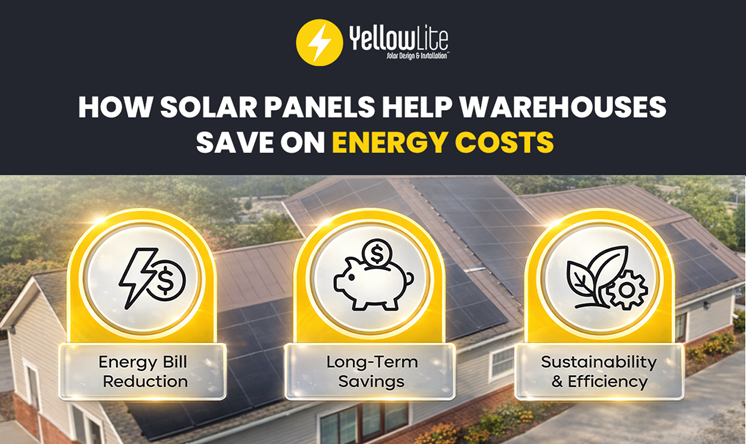
Now that we know why warehouses have high energy costs, let’s talk about how commercial solar panels can provide a significant reduction in those costs. Here’s how solar can work for your warehouse:
-
Offset Daytime Energy Consumption
During the day, your warehouse is likely using the most energy for lighting, HVAC, and machinery. Solar panels for warehouses generate energy during the daytime, helping you offset your grid electricity consumption and reduce your electricity bill.
-
Reduce Peak Demand Charges
Peak demand charges can make a huge dent in your energy costs. But with solar panels for warehouses, you can reduce the need for grid electricity during peak hours, meaning lower demand charges and a more predictable monthly energy bill.
-
Stabilize Long-Term Energy Costs
Once your solar system is installed, your energy costs become more predictable. Solar power allows you to avoid fluctuating utility prices, and with a fixed-cost investment, you can plan your energy budget more effectively.
-
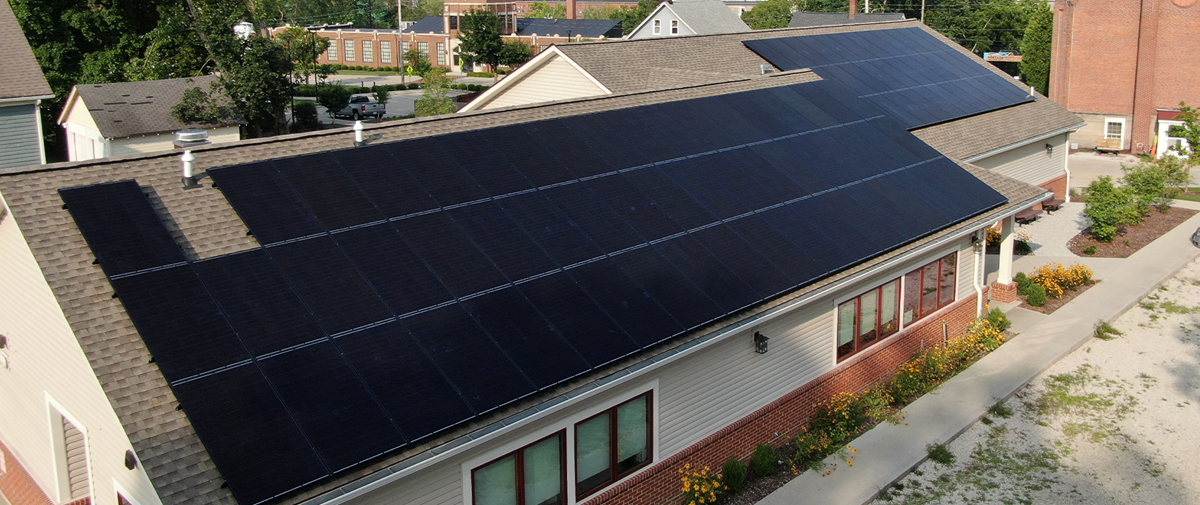
Take Advantage of Large Rooftops
Warehouses are often perfect candidates for solar because of their large, flat rooftops. These spaces provide ample room for installing a solar system, maximizing the amount of energy you can generate.
-
Net Metering Benefits
If you're in a region that offers net metering like Ohio, you can sell excess energy back to the grid. This means you can generate credit for the energy your solar system produces that you don’t use, further lowering your energy expenses.
Financial Benefits for Warehouse Owners
Let’s look at the financial side. Besides lowering your energy bills, commercial solar offers several other benefits for warehouse owners.
Federal Tax Credit for Commercial Solar
The Federal Investment Tax Credit (ITC) lets warehouse owners deduct 30% of the solar installation cost from federal taxes. This significant credit lowers upfront costs, enhances ROI, and allows for carry-forward if unused.
Accelerated Depreciation (MACRS)
Accelerated depreciation through the Modified Accelerated Cost Recovery System (MACRS) lets you write off your solar panel system over five years. This can lower your tax bills in the early years of ownership.
Energy Savings Projections
Most warehouses can save between $10,000 and $40,000 each year on energy bills, depending on system size and usage. These savings add up over time.
Payback Period Expectations
Most commercial solar systems pay for themselves in 5 to 7 years. After that, your solar panels for warehouses produce energy at no extra cost, saving you money for 20 to 25 more years.
Increased Property Value
Installing solar panels can boost your warehouse’s resale value. Studies show that properties with solar often sell for more, making it a smart long-term investment.
ESG Reporting Benefits
If your company tracks Environmental, Social, and Governance (ESG) goals, installing solar is a big step forward. It shows you are serious about cutting your carbon footprint and supporting green energy.
Keep in mind, your actual savings will depend on your system size and how much energy you use.
Why Warehouses Are Ideal for Commercial Solar Installation
Warehouses are great places for solar installations for several reasons:
Minimal Shading
Most warehouses have big, open roofs with little to no shade. This lets your solar panels for warehouses get as much sunlight as possible all day long.
Large Roof Square Footage
Warehouses usually have plenty of roof space, so you can install lots of panels. This helps you make more energy without using up any floor space.
Structural Suitability
Warehouse roofs are usually strong enough to hold solar panels, which makes them a good spot for installation.
Scalable Systems
You can start with a small solar system and add more solar panels for warehouses later as your energy needs grow.
Predictable Energy Load
Most warehouses use energy in a steady, predictable way. This makes it easier to design a solar system that fits your needs.
Conclusion
With energy costs going up, adding commercial solar panels for warehouses can be a smart way to save money for years to come. Lower energy bills, tax breaks, and long-term savings make this a great time to look into solar for your business.
If you want to find out how solar can help your warehouse, ask for a Commercial Solar Assessment today to see if your building qualifies.
FAQ
Q1. How much can warehouses save by installing solar panels?
Warehouses can achieve significant savings on energy bills by switching to solar power. The savings depend on factors like energy consumption, system size, and local energy rates. Solar panels for warehouses help protect against rising electricity costs, providing long-term financial benefits.
Q2. How do solar panels reduce energy costs for warehouses?
Solar panels reduce energy costs for warehouses by generating renewable energy during the day when energy demand is highest. By offsetting grid electricity use, solar energy helps reduce peak demand charges, stabilize long-term energy costs, and provide savings year after year.
Q3. What are the best solar panel systems for large warehouses?
The best solar panel systems for large warehouses are typically high-efficiency solar systems with energy storage. These systems ensure maximum energy output and reliability, making them ideal for commercial-scale applications.
Q4. What are the best companies for industrial solar solutions?
Top installers for industrial solar solutions includes YellowLite. These providers specialize in delivering scalable solar energy solutions for warehouses and large commercial buildings, offering everything from system design to installation and maintenance.
Q5. How long does it take to install solar panels on a warehouse?
The installation of solar panels on a warehouse typically takes between 4 to 6 months with much of the process being devoted to permitting, utility approvals and prep work., depending on the system's size and complexity. Larger warehouses may take more time for the installation process due to the amount of roof space and the number of panels required. The final connection to the grid may also take additional time for inspections and approval.