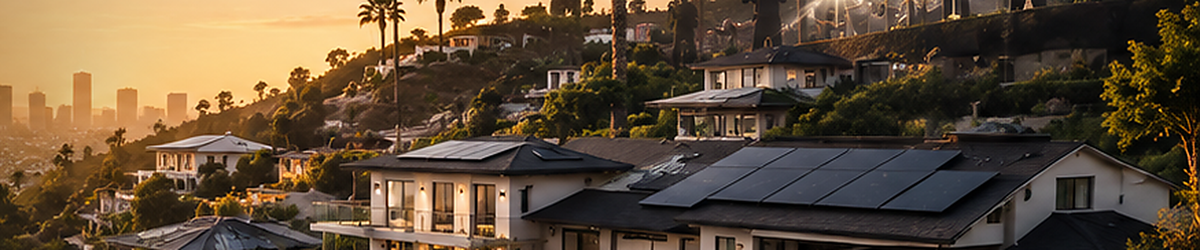
From Hollywood Hills to everyday neighborhoods, celebrities with solar panels are helping normalize one of the smartest home investments available today. Celebrity environmental activists have spent decades using their platforms to champion clean energy and solar adoption is now accelerating across all income levels as a result.
Whether motivated by climate action, energy independence, or long-term savings, these famous solar adopters prove that renewable energy isn't a luxury; it's a practical choice for any homeowner.
Why Celebrities Are Choosing Solar Energy
Celebrities go solar for the same reasons millions of homeowners do: rising utility bills, energy independence, and the desire to reduce their carbon footprint. Many have gone further than installing panels on their own homes, funding community programs that bring solar to families who couldn't otherwise afford it. Their visibility has helped shift solar from a niche technology into a mainstream investment that homeowners across the country are now making.
10 Celebrities with Solar Panels
1. Leonardo DiCaprio

The most recognizable celebrity environmental activist working today, DiCaprio founded the Leonardo DiCaprio Foundation, serves on the World Wildlife Foundation board, and co-campaigned with Mark Ruffalo for universal clean energy access. His Hollywood Hills estate runs on solar, and he even powered the entire set of Inception with renewable energy.
Takeaway: Solar is practical at any scale, from a film set to a family home.
2. Edward Norton

Norton is one of the most impactful celebrities with solar panels because he turned his own installation into a movement. In 2003, he partnered with BP Solar to launch the Solar Neighbors Program, donating a residential solar system to a low-income Los Angeles family every time a celebrity purchased one. Participants included Brad Pitt, Tom Hanks, Daryl Hannah, and Danny DeVito. Norton also serves as a UN Goodwill Ambassador for Biodiversity.
Takeaway: There's strength in numbers. One homeowner going solar can inspire others, and it creates a ripple effect.
3. Brad Pitt
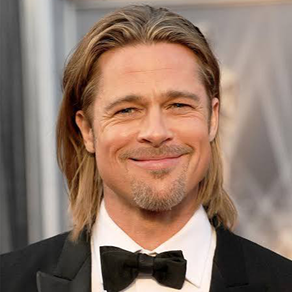
A Solar Neighbors participant and founder of the Make It Right Foundation, Pitt channeled his solar advocacy into rebuilding post-Katrina New Orleans with storm-resilient, solar-powered homes. His work showed that celebrities with solar panels can drive real-world community impact.
Takeaway: Solar-powered homes paired with battery storage are more resilient during outages.
4. Tom Hanks
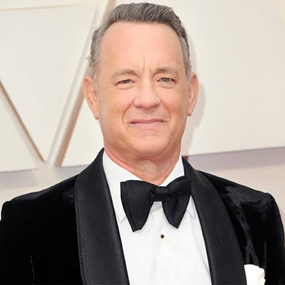
Hanks joined the Solar Neighbors Program alongside Norton, installing solar panels on his home and triggering a matching donation to a low-income family in Los Angeles. His participation helped signal to the public that celebrities with solar panels span every corner of Hollywood.
Takeaway: Federal incentives like the Investment Tax Credit make solar accessible well beyond celebrity budgets.
5. Daryl Hannah
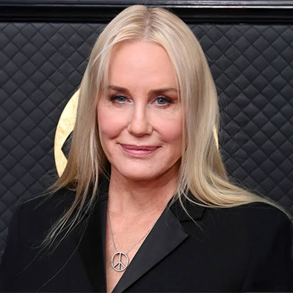
One of Hollywood's longest-standing celebrity environmental activists, Hannah was among the original Solar Neighbors participants in 2003 and has advocated for off-grid and renewable energy solutions ever since. Married to musician Neil Young, another outspoken clean energy champion, she has made sustainable living central to her public identity.
Takeaway: Solar technology has matured enormously since the early 2000s; today's systems are far more efficient and affordable.
6. Mark Ruffalo
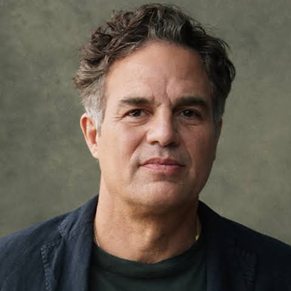
Ruffalo co-founded The Solutions Project in 2011 to accelerate the transition to 100% renewable energy, and has a solar array at his New York home connected to a net metering program. As one of the most vocal celebrity environmental activists in the clean energy space, he has spoken extensively about solar's power to decentralize energy and create economic opportunity.
Takeaway: Net metering lets homeowners earn bill credits for excess solar power sent back to the grid.
7. Rachel McAdams

McAdams runs her Canadian home entirely on solar power and extends her eco-commitment further, biking locally, driving electric, and minimizing household energy waste. Among celebrities with solar panels, she represents the growing group for whom sustainability is a lifestyle, not a headline.
Takeaway: Solar works across climates, not just sunny states; modern panels generate power even on overcast days.
8. George Clooney
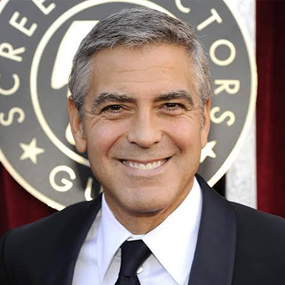
Clooney launched Oil Change, a campaign targeting America's fossil fuel dependence, alongside his advocacy for cleaner transportation and sustainable home living. His profile helped bring clean energy conversations into mainstream culture during a pivotal period for solar adoption.
Takeaway: Energy independence is a goal shared across the political spectrum; solar protects homeowners from volatile utility markets.
9. Robert Redford (1936–2025)
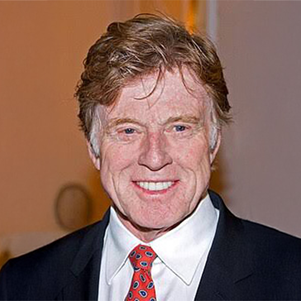
One of the original celebrity environmental activists, Redford advocated for solar energy at national forums as early as 1974 and spent five decades championing land preservation and renewable power. He received the National Wildlife Foundation's Conservationist of the Year award. His son James continued the family's clean energy legacy, directing the 2017 documentary Happening: A Clean Energy Revolution.
Takeaway: The economic case for solar has only grown stronger in the decades since Redford first made the argument.
10. Julia Roberts
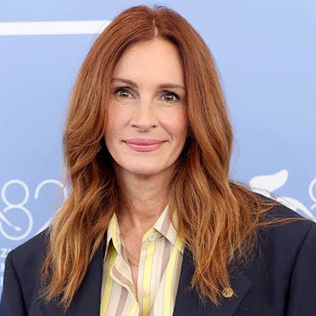
Roberts has incorporated eco-conscious upgrades, including clean energy, into her home and consistently uses her platform to raise awareness around sustainable living. Her visibility among mainstream audiences has helped celebrities with solar panels reach consumers who might not otherwise engage with clean energy topics.
Takeaway: Solar is becoming the default smart choice for homeowners who want lower bills and a smaller footprint.
What Homeowners Can Learn from Celebrity Solar Adopters
The technology powering DiCaprio's estate is the same technology available to homeowners nationwide, and the financial case has never been stronger:
- Rising Energy Costs: Electric costs are on the rise, meaning higher savings and faster payback for solar energy systems.
- Falling installation costs: Solar panel prices have dropped over 90% since 2010
- Flexible financing: Loans and leases make it possible to go solar with little or no money down.
Benefits of Installing Solar Panels at Home
- Lower electricity bills — Generate your own power and significantly reduce monthly utility costs.
- Rate protection — Lock in predictable energy costs as utility rates continue to rise.
- Increased home value — Solar installations consistently add measurable resale value.
- Reduced emissions — A typical home system offsets several tons of CO₂ annually.
- Energy independence — Paired with battery storage, solar keeps critical systems running during outages.
- Long-term ROI — After payback, solar electricity is essentially free for the life of the system.
Explore the financial and environmental benefits of installing solar panels at home.
Start Your Solar Journey with YellowLite
Whether you're inspired by celebrity environmental activists or simply want to cut your energy bills, solar is one of the most practical steps any homeowner can take toward energy independence. YellowLite helps homeowners design customized solar solutions built for long-term savings. Our team will walk you through local incentives, estimate your savings, and tailor a system to your home.
Frequently Asked Questions
1. Which celebrities have solar panels?
Well-documented celebrities with solar panels include Leonardo DiCaprio, Edward Norton, Brad Pitt, Tom Hanks, Mark Ruffalo, Rachel McAdams, Daryl Hannah, George Clooney, Robert Redford, and Julia Roberts. Many participated in the Solar Neighbors Program, which paired celebrity purchases with solar donations to low-income Los Angeles families.
2. Why do celebrities use solar energy?
Most celebrity environmental activists who go solar cite environmental commitment, energy independence, and long-term savings. Many have also used their solar adoption to fund community programs or advocate for broader renewable energy policy.
3. Are solar panels only for wealthy homeowners?
No. What was once a premium upgrade is now accessible across income levels, thanks to improved technology, higher energy costs and financing options that require little to no upfront cost.
4. How much can homeowners save with solar panels?
Savings depend on system size, local utility rates, and incentives, but total lifetime savings for a typical residential system often range from $20,000 to $50,000 or more.
5. Is solar energy a good investment in 2026?
Yes. With historically low installation costs and rising utility rates, 2026 is a strong year to go solar. Acting now maximizes your financial return.