


Ohio homeowners are feeling the squeeze of rising utility rates, and many are turning to solar leasing as an affordable path to solar energy without a large upfront investment. This guide explains how leasing works, what it costs, and how it compares to buying, so you can make a confident decision.
What Is Solar Leasing?
Solar leasing is a financing model where a solar company installs panels on your home and charges a fixed monthly fee to use the electricity they produce. You don’t own the system, the leasing company does. It's similar to renting: you get the energy savings without the purchase price or maintenance responsibilities.
Leasing differs from a Power Purchase Agreement (PPA). With a lease, you pay a fixed monthly amount regardless of production. With a PPA, you pay per kilowatt-hour generated. Both eliminate upfront costs, leases offer more payment predictability.
How Solar Leasing Works in Ohio
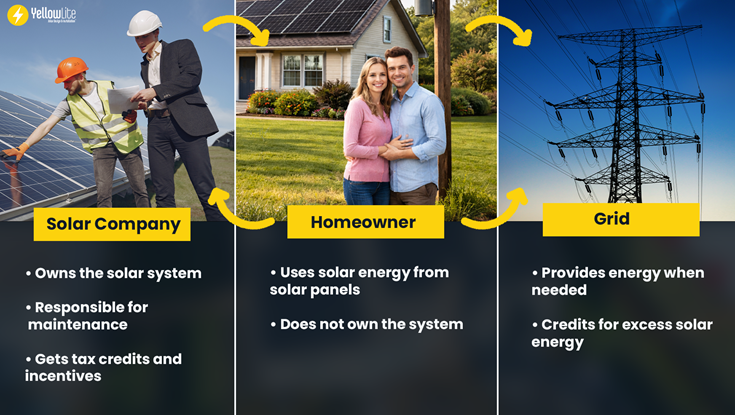
A solar installer assesses your home, installs a system at little or no cost, and you pay a flat monthly fee, typically $50–$150, to use the power it generates. Key terms:
- Zero or low upfront installation cost
- Fixed monthly payments over a 15–25 year contract
- Maintenance, monitoring, and repairs handled by the leasing company
- System ownership stays with the solar company throughout
- Option to purchase, renew, or remove the system at the end of the lease
For a broader overview of solar financing, Energy.gov's homeowner solar guide is a helpful resource.
Key Benefits of Leasing Solar Panels
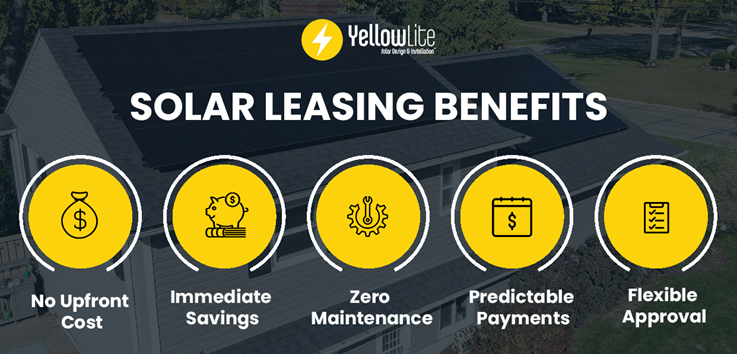
- No upfront cost: Access solar without the $15,000–$30,000 purchase price.
- Immediate savings: Most Ohio homeowners see lower energy costs starting day one..
- Zero maintenance: The leasing company monitors the system and covers all repairs.
- Predictable payments: A fixed monthly rate makes budgeting straightforward.
- Great for older homes: Leasing offers solar benefits without a major capital commitment, ideal if you prefer low financial risk.
- Flexible approval: Leases often have more accessible credit requirements than solar loans.
Curious how much you can save with solar leasing? See the full 2026 cost breakdown and real savings explained here.
Potential Drawbacks to Consider
Solar leasing has real tradeoffs. Know these before you sign:
- No ownership: You build no equity in the equipment.
- Lower lifetime ROI: Leasing saves less over time than purchasing outright.
- Long contracts: Exiting early can involve fees or buyout costs.
- Home sale complications: Buyers must assume the lease or you'll need to buy it out, which can slow closings.
- Price escalators: Some contracts include 1–3% annual rate increases. Always read the fine print.
Solar Leasing vs. Buying
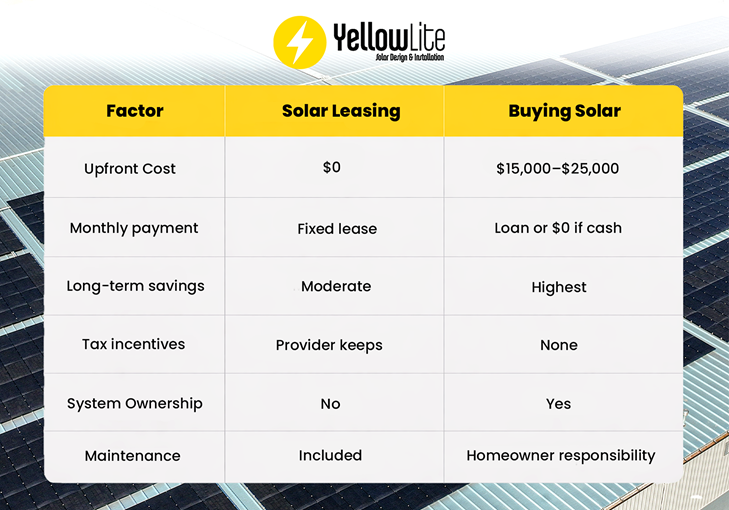
The right choice depends on your financial goals and how long you plan to stay in your home.
Buyers who stay in the home 10+ years typically see higher lifetime returns. Leasers get zero upfront cost, lower risk, and immediate savings. At YellowLite, we walk homeowners through both options honestly. Explore our Ohio solar services.
Is Solar Leasing Worth It in Ohio?
Yes, for the right homeowner.
Leasing makes sense if you want to cut your electricity bill with no upfront cost, prefer minimal financial risk, or are on a fixed income. It's also a strong fit for homeowners with older roofs who aren't ready for a major capital investment.
It's not the best path if you plan to move soon or are optimizing for the highest long-term ROI. In those cases, purchasing is the smarter move.
If you're comparing, this detailed guide on solar leasing vs owning in Columbus, Ohio, breaks down which option delivers better savings and long-term value.
Ohio Incentives and Policies That Affect Solar Leasing
Net Metering: Ohio utilities, including First Energy, AEP Ohio, Duke Energy Ohio, and AES, are required to offer net metering where homes are credited for solar energy that they send back to the grid.
Property Tax Exemption: Ohio exempts solar installations from property tax increases. Since you don't own the system in a lease, this benefit is less directly applicable. Learn more at the Solar Energy Industries Association (SEIA).
How to Choose the Right Solar Leasing Partner in Ohio
Before signing any agreement, evaluate these factors:
- Contract length and early termination terms
- Price escalator clauses and exactly how much rates can increase
- Performance guarantees and underperformance remedies
- Scope of maintenance and monitoring coverage
- Local experience with Ohio utility territories and permitting
- How long have they been in business, and what are their online reviews?
YellowLite has served Ohio homeowners since 2009, with deep knowledge of utility programs across Cleveland, Columbus, Cincinnati, and beyond. We evaluate leasing and purchasing side by side, with transparency and no pressure. Learn more about working with YellowLite.
Final Thoughts
For Ohio homeowners who want to go solar without a large upfront investment, leasing solar panels is a practical, low-risk path to immediate savings. It won't match the long-term ROI of buying, but it lowers your bills from day one with minimal commitment. The best decision is the one that fits your home, budget, and goals, and YellowLite's team is here to help you find it.
FAQs
Q1. Is solar leasing available in all parts of Ohio?
Solar leasing is available across most of Ohio, including Cleveland, Columbus, Cincinnati, Dayton, and surrounding areas. Eligibility depends on roof condition, sun exposure, and your local utility. A free site assessment will confirm whether your home qualifies.
Q2. How much does solar leasing cost per month?
Monthly payments typically range from $50 to $150 depending on system size and energy usage. In most cases, the lease payment is equal to or less than your electricity savings, making the net monthly impact minimal or cash positive from day one.
Q3. Can I buy the system at the end of the lease?
Most lease agreements include a buyout option at term end or at set intervals. The purchase price is typically based on fair market value at that time. Always review buyout terms before signing.
Q4. What happens if I sell my home?
You can transfer the lease to the new buyer, buy out the contract, or in some cases relocate it to a new home. Lease transfers can complicate closings, so plan for this scenario before you sign.
Q5. How long do solar lease contracts last?
Most contracts run 15–25 years. At term end, you can typically renew, purchase the system at fair market value, or have it removed at no cost.